The Observatory
The Round Tower's Observatory
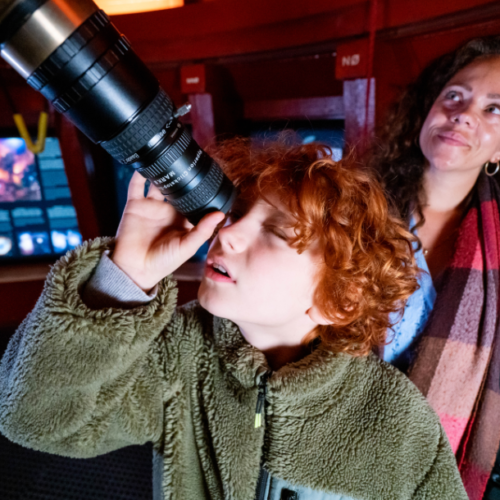
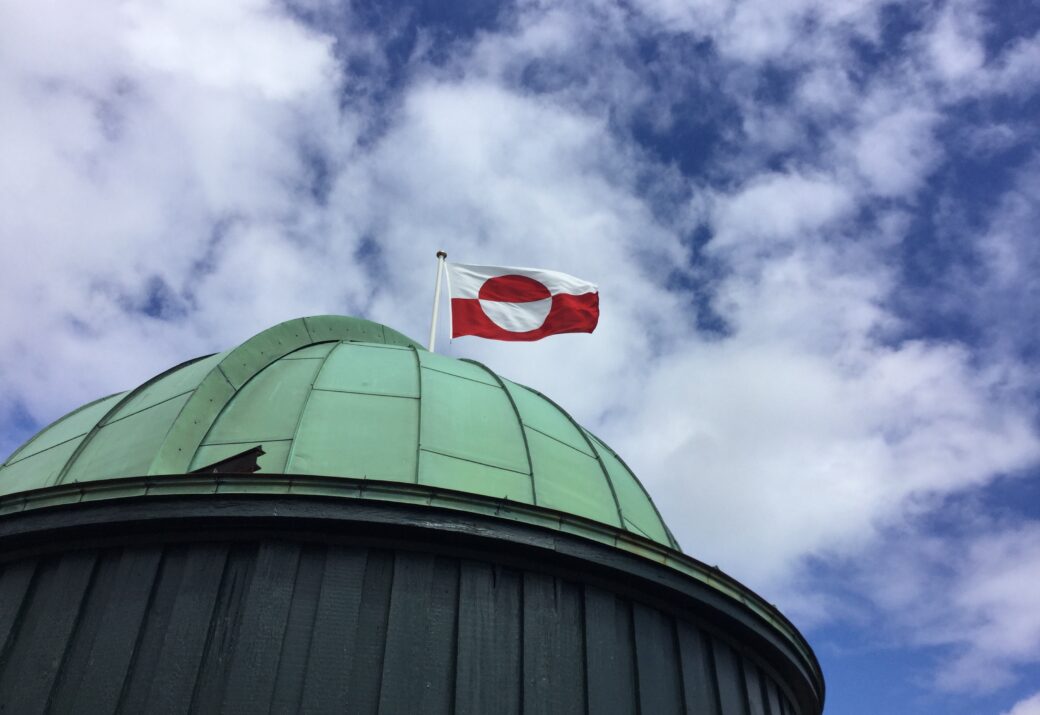
For centuries, the top of the Round Tower has been a gateway to the starry sky. From here, both renowned astronomers and curious visitors have looked up towards the universe. You still can today, as this astronomical heritage lives on in the Public Observatory from 1929. On selected days, visitors to the Round Tower can step beneath the observatory dome with the large refracting telescope, and feel a connection to both the heavens and history in the heart of Copenhagen.
The History of the Observatory
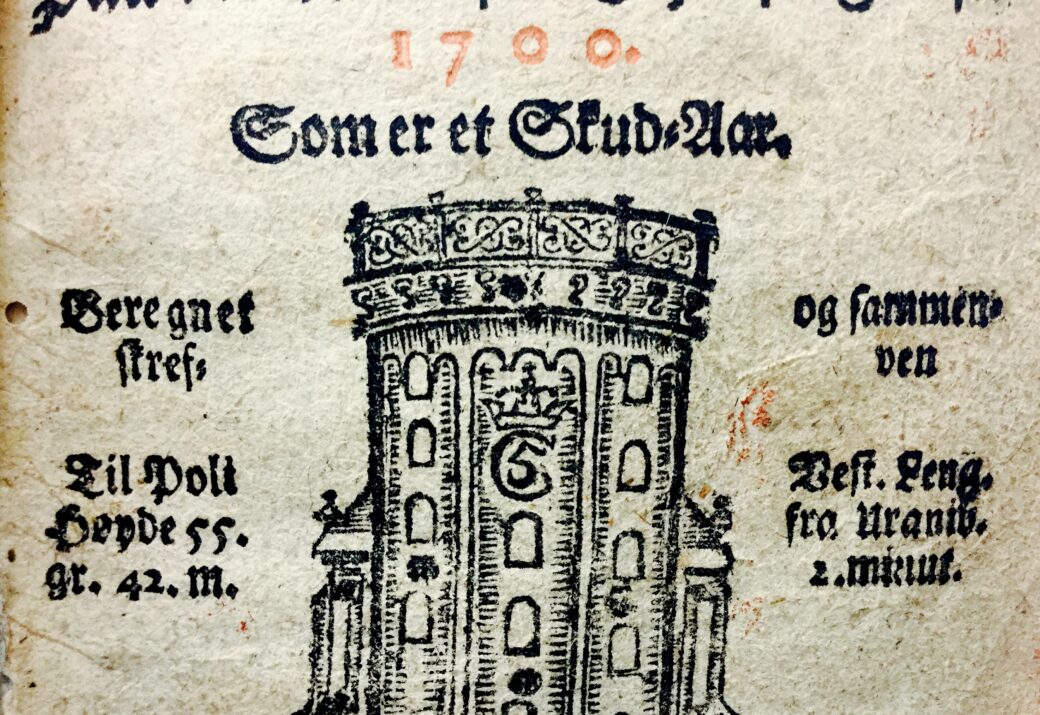
The Round Tower is Europe’s oldest functioning observatory building. Christian IV had the tower built so that astronomers from the University of Copenhagen could study the sky high above the city’s lights and smoke.
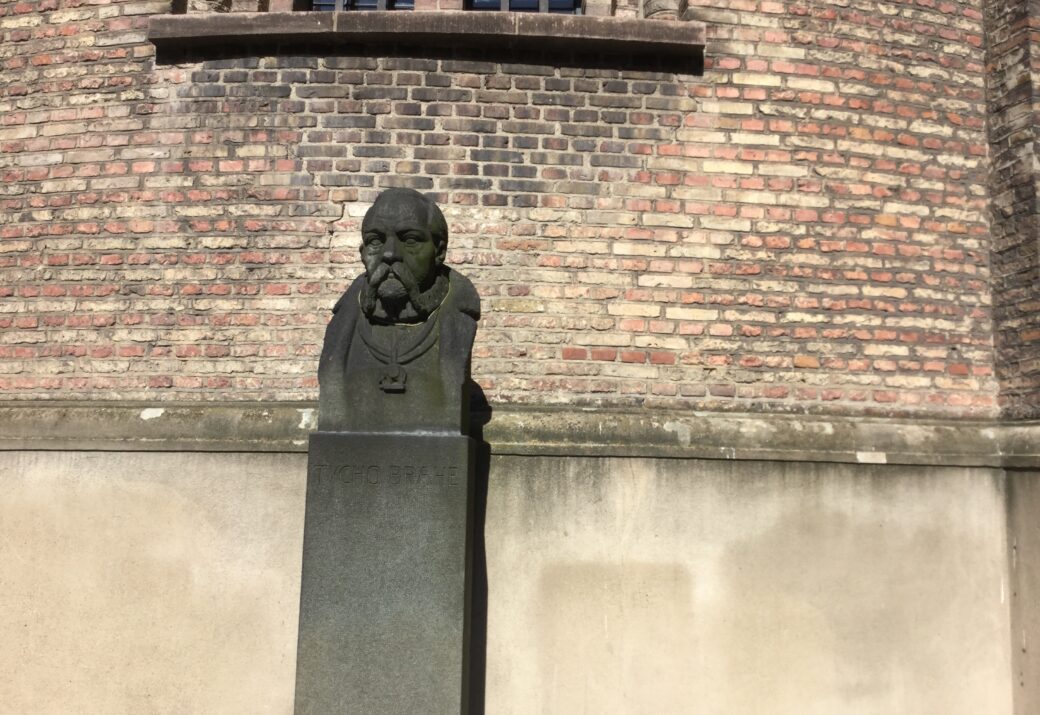
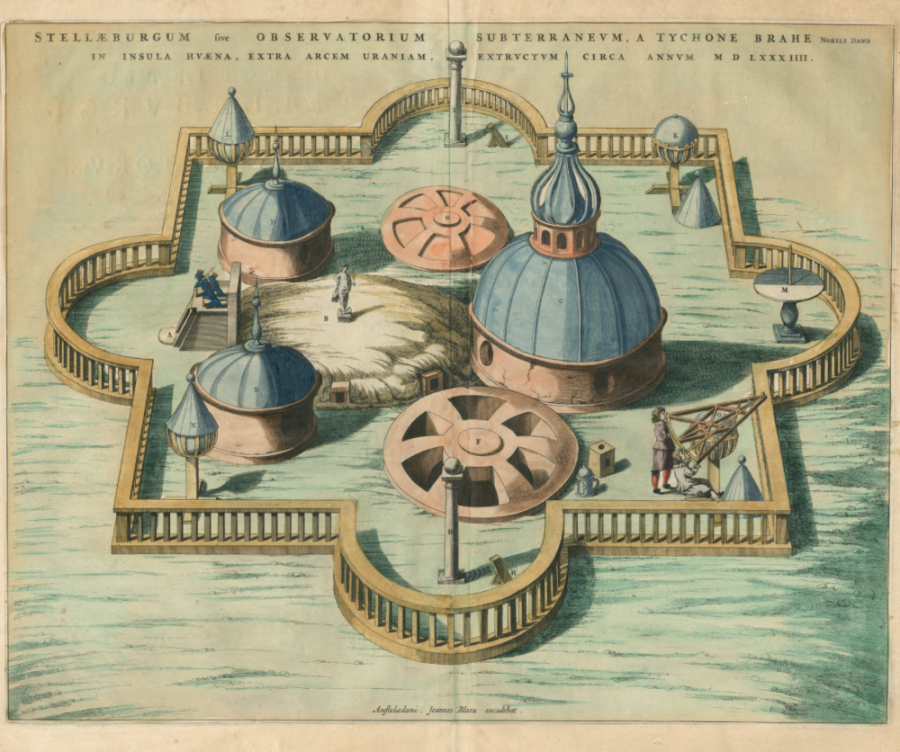
The Round Tower’s first name was “Copenhagen’s Royal Star Castle”, named after Tycho Brahe’s observatory, Stjerneborg (“Star Castle”), on the island of Hven. The Observatory flourished under the leadership of Danish astronomer Ole Rømer, who was renowned for his groundbreaking discovery of the speed of light, and for centuries the tower was a centre of knowledge.

What can you observe in the sky?*
Here you can get an overview of which celestial objects we expect to be able to observe through the telescope — *provided the weather is clear and the sky is free of clouds and rain.


The Telescope
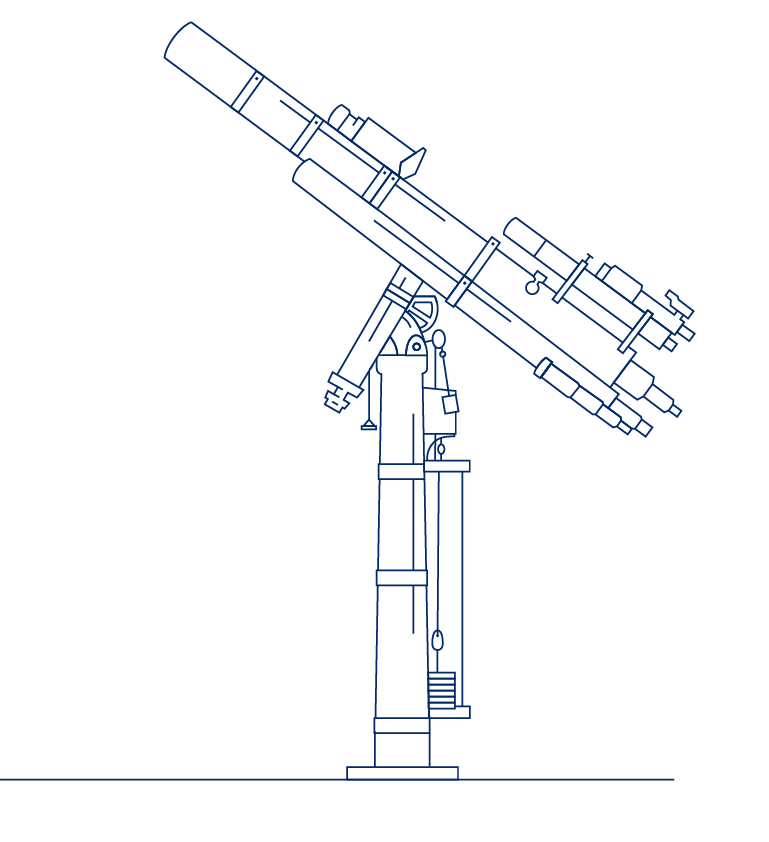
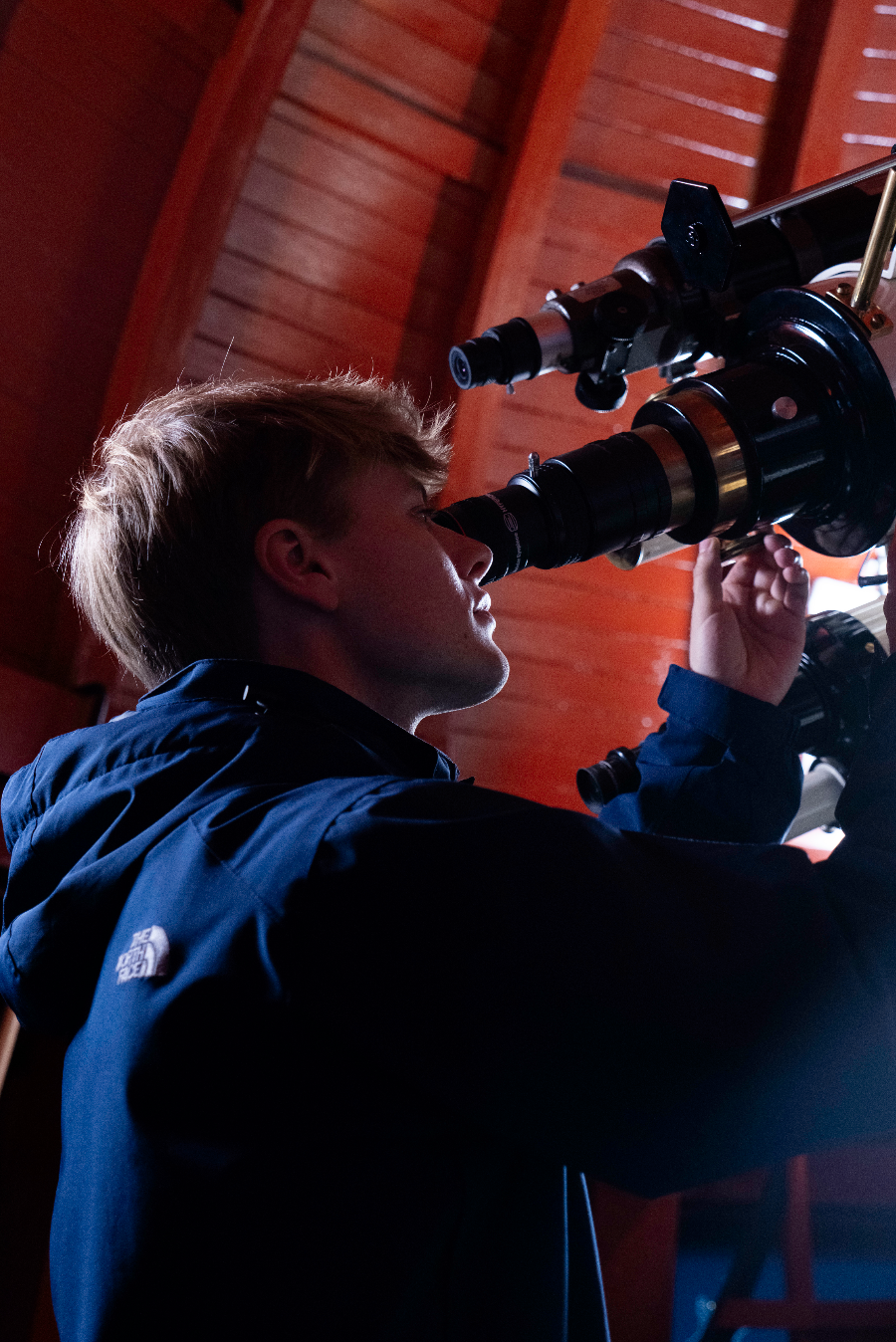
The Round Tower’s 1929 refracting telescope provides magnifications ranging from 80 to 450 times. It was built by the company Cornelius Knudsen and is particularly well suited for observing the planets, the Moon and the Sun.
The Main Telescope
The main telescope, dating from 1929, is a 150 mm refractor with a focal length of 2,250 mm. The telescope is three metres long and was designed and built by the Danish company Cornelius Knudsen. It is optimised for observing the planets and the Moon despite the light pollution of the city.
The Secondary Telescope
The secondary telescope, dating from 1980, is a 100 mm Unitron refractor with a focal length of 1,500 mm. Among other things, it is used to view the Moon in its entirety while the main telescope is used to observe it in greater detail.
The Camera
The camera is an 80 mm Goerz glass-plate camera from 1929, which was formerly used to observe new or previously unknown objects in the sky, such as comets and asteroids.
The Sun Telescope
The solar telescope was added around the year 2000. It allows visitors to observe prominences — plasma extending out from the surface of the Sun.
The Clock
The clock automatically rotates the telescope to compensate for the Earth’s rotation. The clockwork mechanism was created in 1929 by the renowned Danish clockmaker Jens Olsen.
The Time Capsule
A time capsule was placed in the base of the telescope in 2026 as part of the restoration of the People’s Observatory. It is filled with messages from Danes to the future, as well as ten of the greatest unanswered questions about the universe in our time. It is not to be opened until 2126.
The Observatory Today
Since 1929, the Public Observatory at the Round Tower has been open to visitors from near and far.
Today, the Observatory offers stellar moments and the opportunity to experience the sky during its opening hours. In the winter months, guests can observe the Moon, stars or planets on observation evenings Mondays and Tuesdays while sunspots are observed every Sunday throughout the Danish school summer holidays.
Restoration in 2026
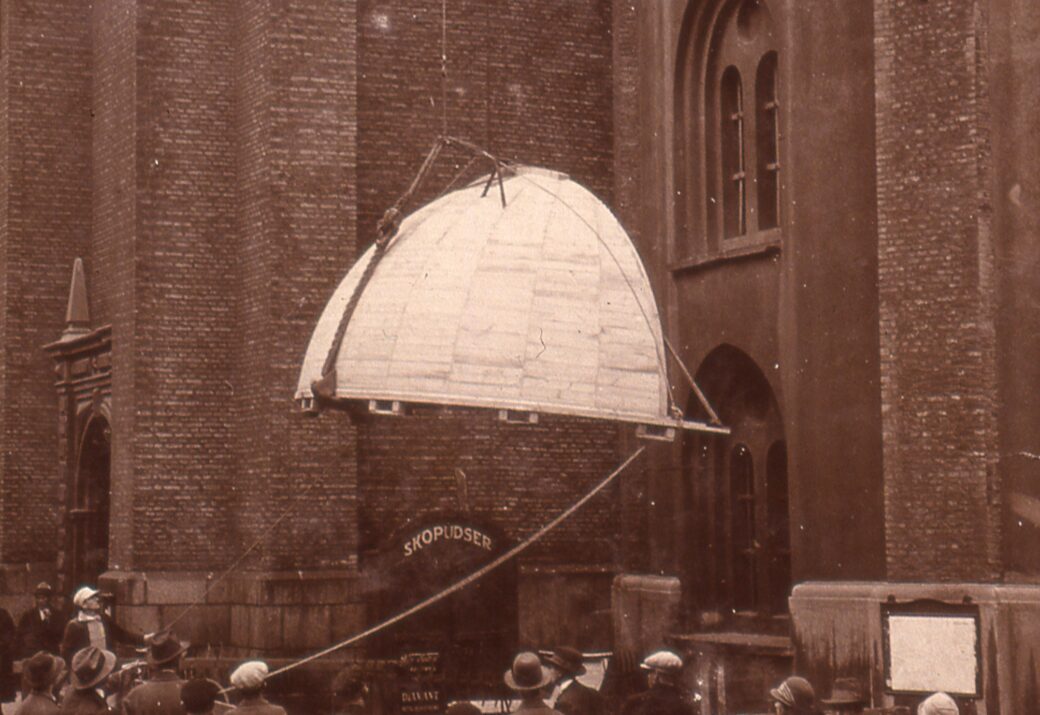
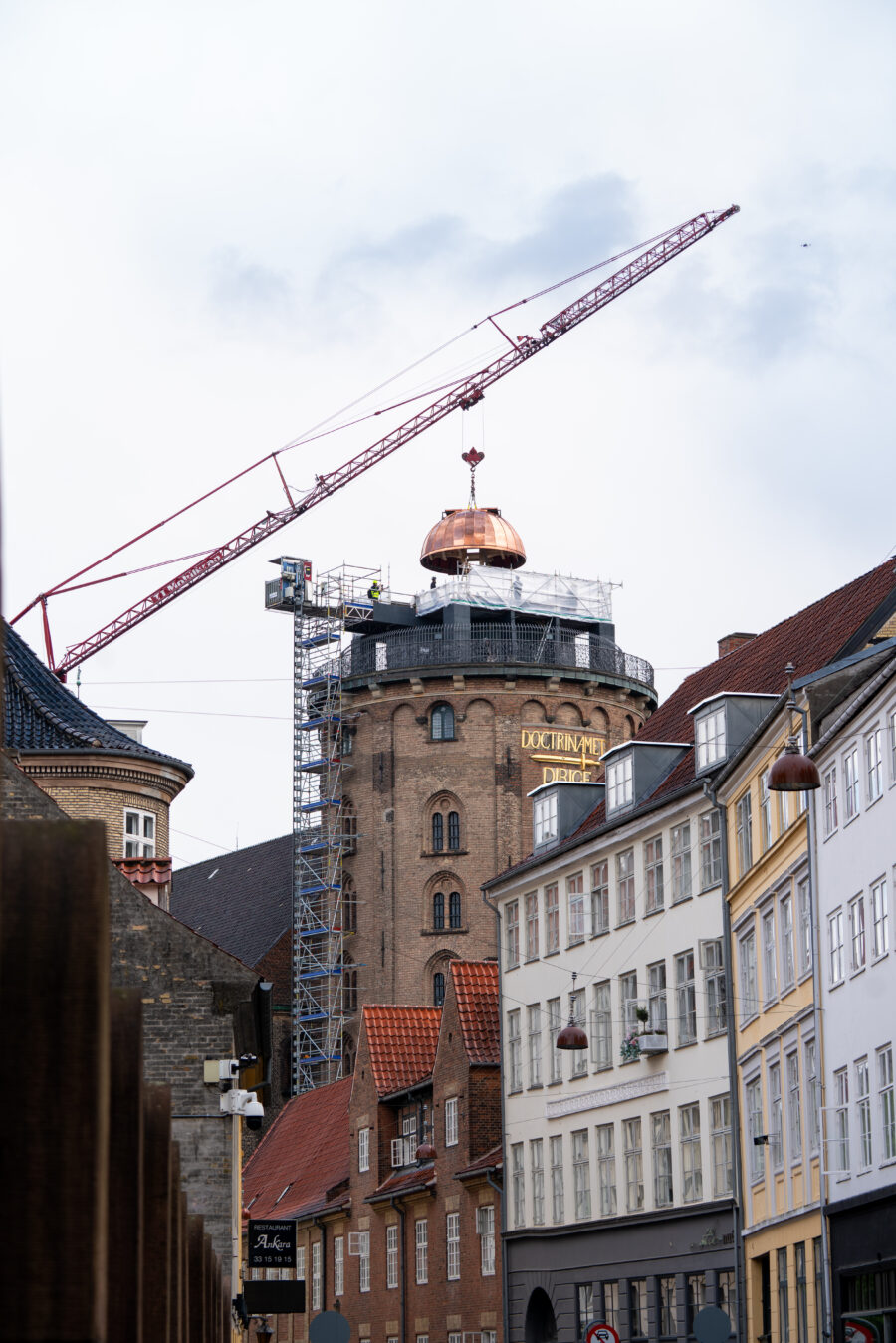
Both the observatory building, the dome and telescope underwent extensive restoration in 2026 to preserve this unique cultural heritage and Europe’s oldest functioning observatory building as well as Christian IV’s vision of a place to study the sky in the heart of Copenhagen. The telescope was sent to a specialist in Germany for fine-tuning while the dome was lowered down to street level and then lifted back to the top of the tower, attracting public attention.
His Majesty King Frederik X subsequently re-inaugurated the Observatory on Wednesday, 12 August 2026 during a rare solar eclipse visible over Denmark. The newly restored observatory now includes a commemorative plaque bearing the King’s monogram.