

LIGHT YEAR 2026
Step inside the Round Tower and explore a full year dedicated to light. All through 2026, you can enjoy special exhibitions, concerts and family-friendly events celebrating the 350th anniversary of Ole Rømer’s discovery of the speed of light. The celebration of light will culminate when the Observatory at the top reopens in October with a beautifully restored dome and telescope.
Ole Rømer and the great discovery
The year 2026 marks the 350th anniversary of the publication of one of the most significant discoveries in the history of science. It all began in December 1676, when a French scientific journal shared remarkable news: the Danish scientist Ole Rømer had cracked one of the biggest mysteries of the era. By studying the movements of Jupiter’s moons, he had proved that light does not travel instantaneously – it has a measurable speed.
Ole Rømer was affiliated with the Round Tower both before and after his great discovery in Paris. When he returned to Copenhagen, he became head of the three university functions that were all gathered in the old Trinitatis Complex. A few of the observations that led to his discovery were likely also made from the Round Tower. Throughout 2026, the Round Tower will host four special exhibitions and a rich programme of music and events exploring the theme of light. You can also learn more about Ole Rømer and his discovery through lectures, guided tours and a historical exhibition.
What’s On
What's on
-

Visit the Observatory
AstronomyThe Observatory05. Oct - 31. Mar -
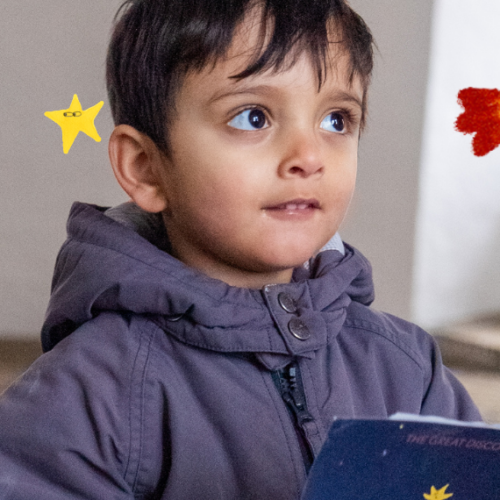
In Ole Rømer’s footsteps
For childrenThe Spiral Ramp07. Oct - 31. Dec -
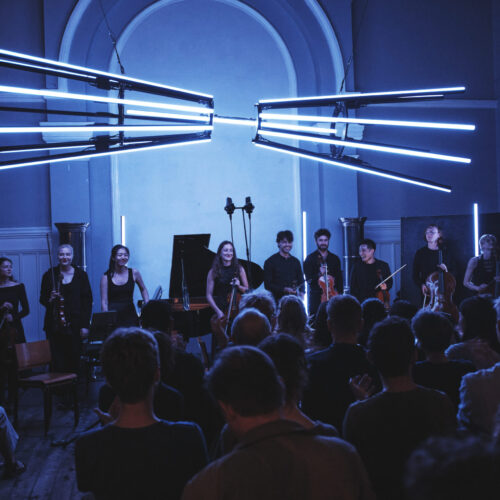
ROUND TOWER CLASSICS: NOVO Quartet
ConcertThe Library Hall29. Oct -
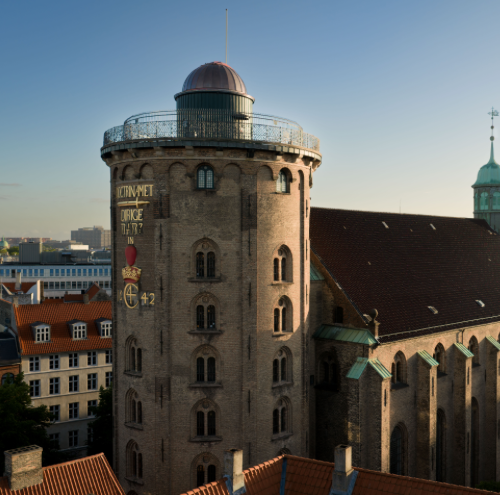
Experience the secrets of the Trinitatis Complex
Guided tour, Special eventIn tower and church05. Nov -
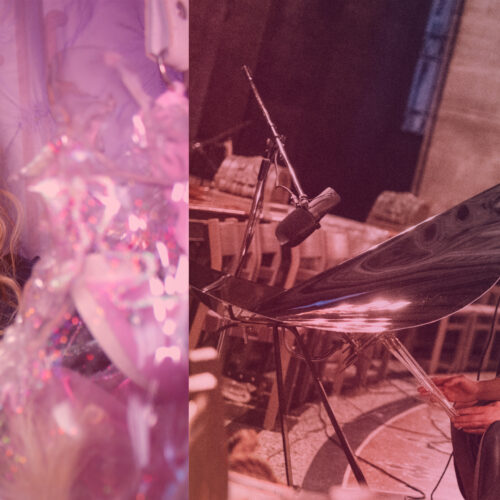
The Hesitation of Light – a concert performance in the historic Spiral Ramp
Concert21. Dec
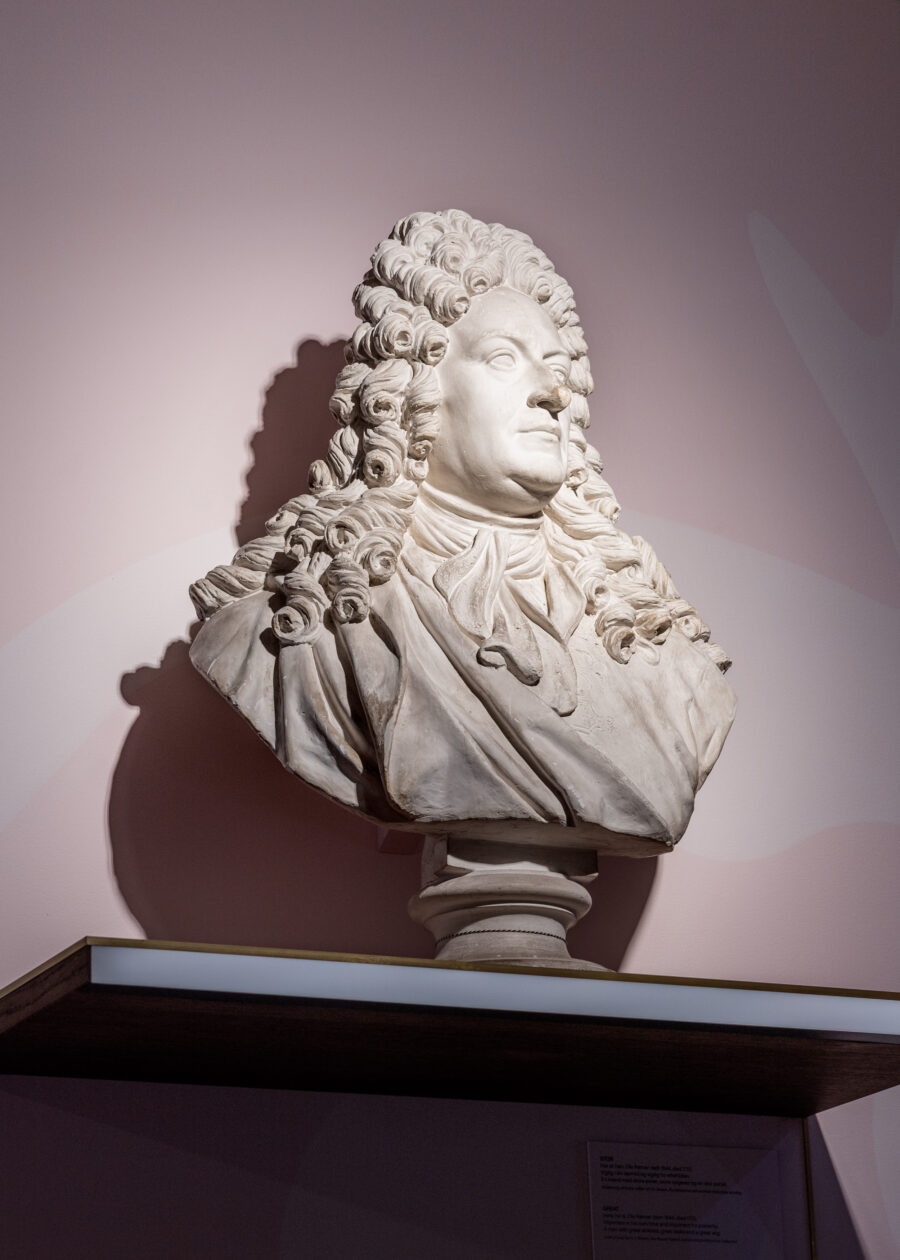
EXHIBITION: OLE RØMER AND THE GREAT DISCOVERY
6. FEB 2026 –3. JAN 2027
350 years ago, the astronomer Ole Rømer made his pivotal discovery that light has a finite speed. But how did he arrive at this conclusion? What does the discovery mean for us today? And who was he beyond this achievement—the man with many talents and a large wig?
Alongside four rotating special exhibitions on light presented over the course of the year, you can experience the Round Tower’s own exhibition on Ole Rømer and gain deeper insight into the man, the discovery, and his relationship to the Round Tower.
Please note that the exhibition cannot be experienced at times when the Library Hall is temporarily closed due to events or during the construction of changing special exhibitions. Check our landing page rundetaarn.dk before your visit, where current closures will be listed at the top of the page.
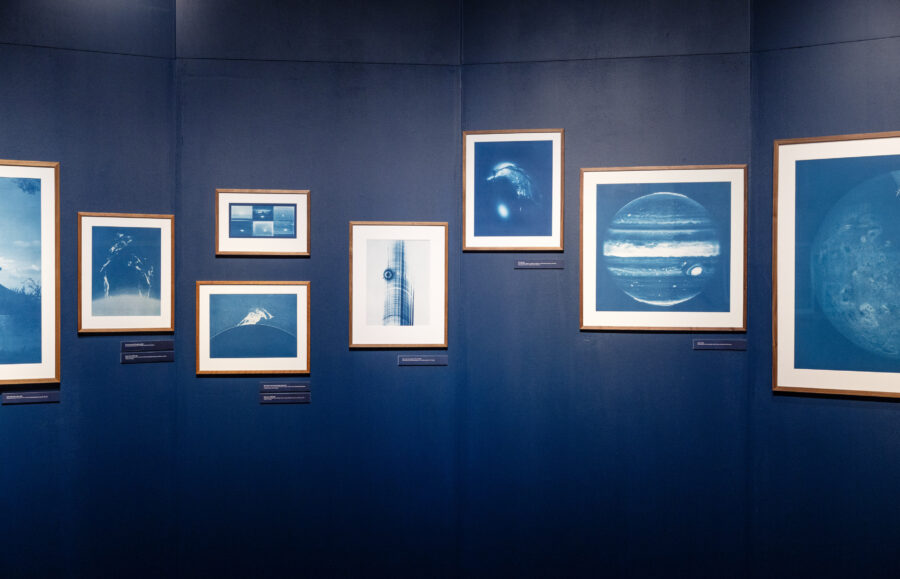
EXHIBITION: AD LUCEM
6. FEB – 6. APR
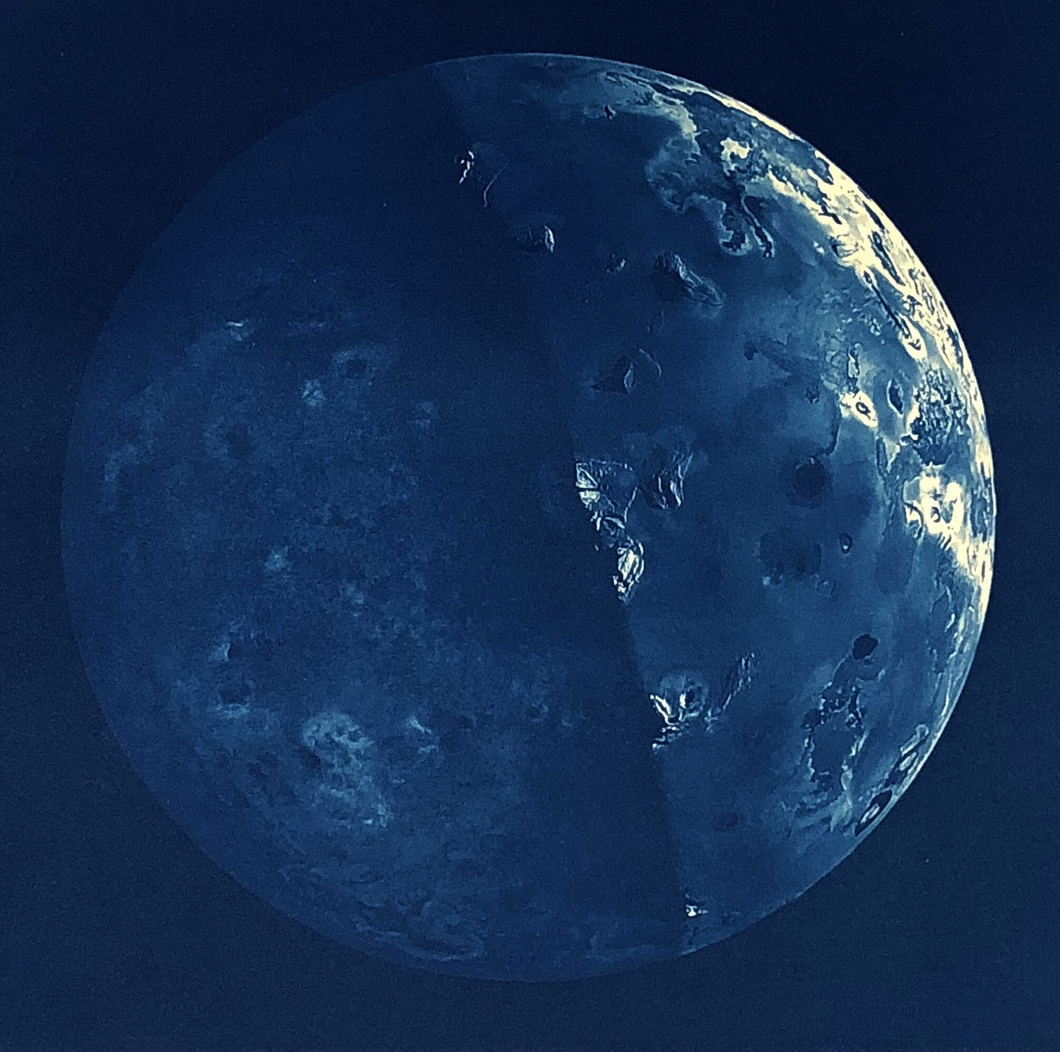
“Lightyear 2026” opens with “Ad Lucem” (To the Light) – an artistic and scientific collaboration between artist Cecilia Ömalm and professor of astronomy Göran Östlin – a project that beautifully unites art and science in an exploration of how light from distant galaxies connects us across time and space.
Experience captivating, deep-blue photographic works created with cyanotype – a unique technique invented by astronomer John Herschel, where iron salts mixed to result in UV-sensitive solutions, and sunlight combine to form images in characteristic shades of blue.
Ömalm and Östlin recreate the light of the Universe using both historical glass plate negatives and modern digital image sensors. Each work is hand-printed, and when sunlight develops these celestial images, it becomes a poetic act – a rebirth of light from the same sky the telescopes once pointed toward.
“Ad Lucem” at the Round Tower marks the duo’s largest solo exhibition to date, featuring 40 works – including a new piece inspired by Ole Rømer’s groundbreaking measurements of the speed of light – presented in a design that mirrors the tower’s shape and evokes the atmosphere of an observatory.
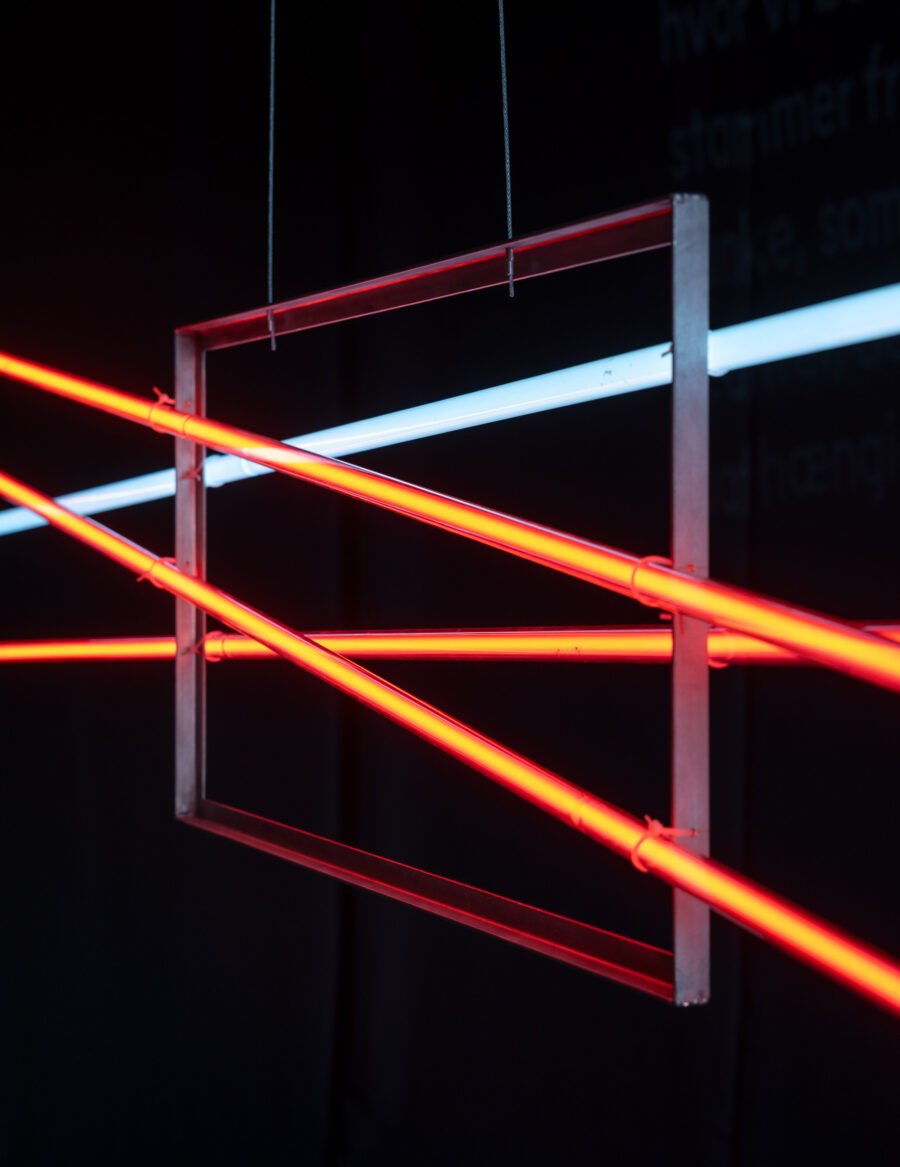
EXHIBITION:
AFTERGLOW. CONVERSATIONS ON LIGHT
15. APR – 17. JUN
What connects art and astrophysics? In this exhibition, you will meet eight artists who, in dialogue with astrophysicists, explore the phenomenon of light. Both art and astronomy share a fascination with the speculative and the mysterious — and with the sense that behind the fog lies a clarity that reveals itself in fleeting glimpses. Science tests and confirms hypotheses, while art examines the world through sensory experiences that evoke reflection. Together, they can help us see the world in a new light and create new narratives about reality.
The exhibition invites you into a space where art gives form to astrophysical phenomena. Here you can experience works that are both visually captivating and thought-provoking — a meeting between scientific facts and aesthetic explorations of light, time, and cosmic spirituality.
The exhibition is created by the curatorial collective Perelin, Nattens Skov, founded by Veronica Rigét and Biba Fibiger.
EXHIBITION:
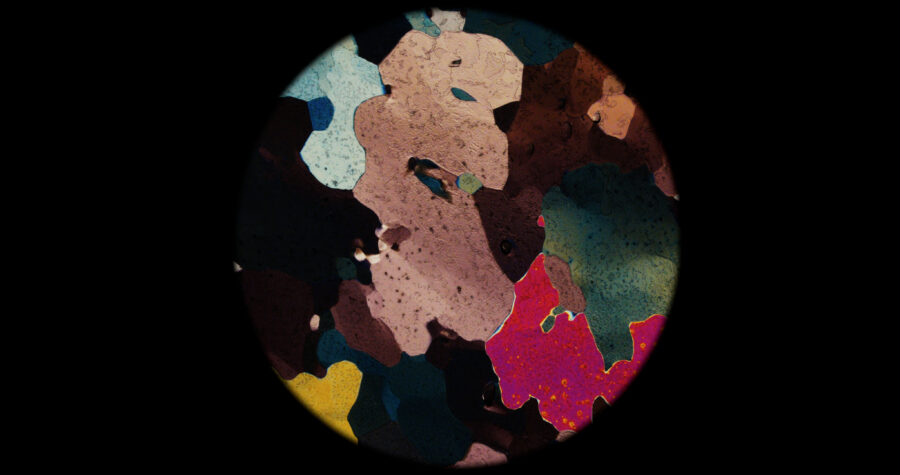
REFRACTIONS OF ICE
26. JUN – 20. SEP
In “Refractions of Ice”, art and science meet in a visual exploration of the deep ice. Under polarized light, the crystals of the ice emerge in surprising patterns, where the ice’s own poetic language—of colors, shapes, and movements—reveals traces of past climates and hints at transformations yet to come.
The exhibition presents macro-optical film recordings of ice crystals from millennia-old ice cores, extracted from three kilometers deep within the Greenland ice sheet. Through a scientific and visual study of the ice crystals’ microscopic movements and melting processes, the work invites the viewer into the deep narratives of the ice, where vibrant crystals become images of the planet’s mutability.
Video and sound translate ice-core research into a sensory experience, where the encounter between science and aesthetics creates a visual space for reflection on nature’s transformations and humanity’s place within them—in a time of climatic and existential shifts.
The work is created by Visual Science Studio in collaboration with researchers from the Centre for Ice and Climate at the Niels Bohr Institute, University of Copenhagen.
EXHIBITION: LIGHT ECHOES
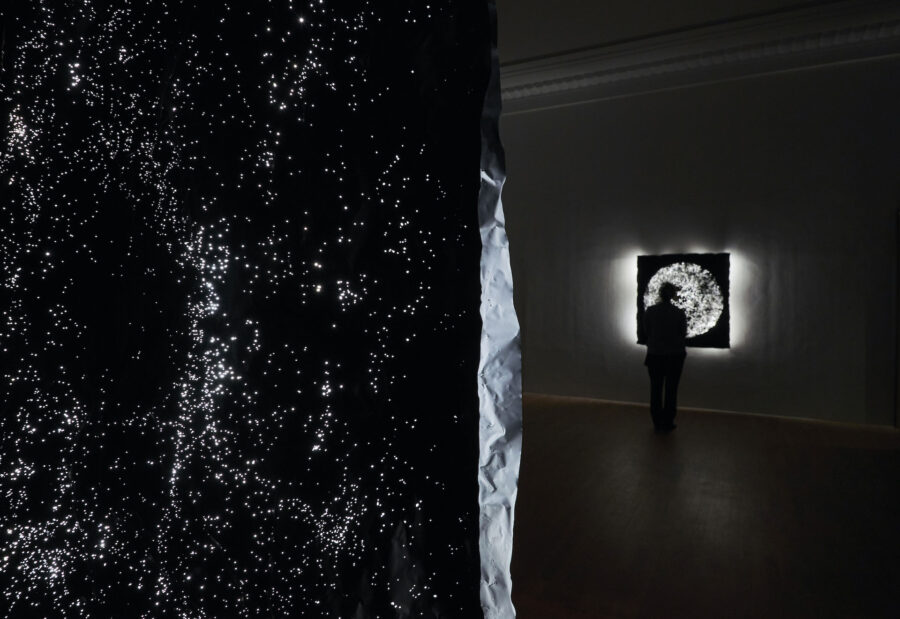
2. OCT 2026 – 3. JAN 2027
Light Echoes is both an exhibition and a research project that proposes a shift in how we understand time, visibility, and cosmic knowledge. Drawing on contemporary astrophysics and historical observation, the exhibition approaches light not merely as a carrier of information but as an active agent that shapes how humans perceive, measure, and experience time.
From the rediscovery of Tycho and Sophie Brahe’s 1572 Stella Nova through its light echo in 2008 to contemporary models of dark matter and cosmic voids, the exhibition explores the Universe as a layered field of phenomena unfolding across multiple temporalities—simultaneous in origin, yet perceived at different moments rather than as a linear sequence of events. By transforming scientific research into immersive spatial, sonic, and visual experiences, Light Echoes invites visitors to adopt a cosmological perspective on light and time—one in which past and present coexist, meaning emerges through light’s long journeys across space and time, and what we can see is not necessarily what we know.
Light Echoes unfolds as a constellation of interdisciplinary voices. Participating artists include Jo Verwohlt & Pieter Maria Steyaert (DK/BE), Ligia Bouton (USA), Lea Porsager (DK), and Semiconductor (UK), working in dialogue with astrophysicists from DARK—the cosmology research unit at the Niels Bohr Institute in Copenhagen—including Jo Verwohlt, Jens Hjorth, Clara Ferreira Cores, Christa Gall, Marianne Vestergaard, and Radosław Jan Wojtak, among others. Curated by Irene Campolmi, Head of Yonder Art•Science Program at the Niels Bohr Institute.
Restoration of the Observatory dome and telescope
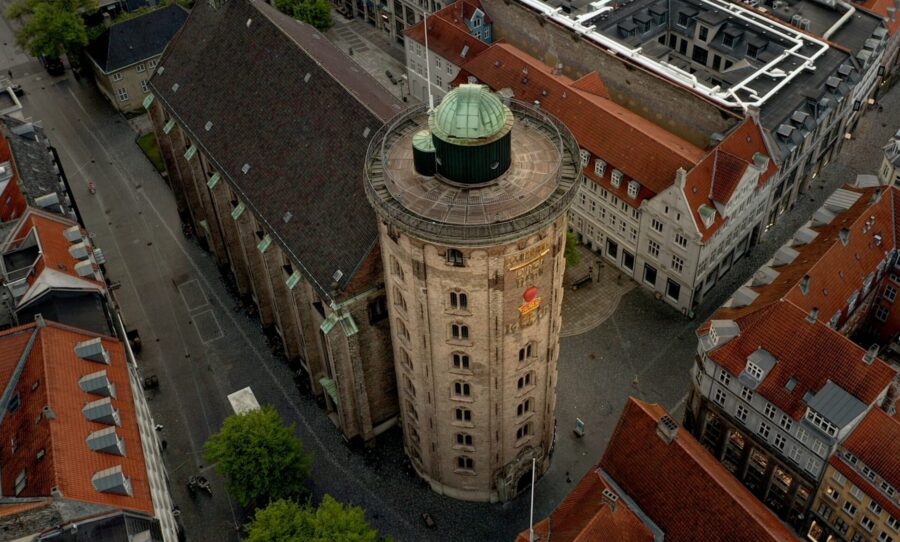
The skies have been observed from the Round Tower since it was completed in 1642, including during Ole Rømer’s own time here. This long tradition will take a brief pause in 2026, as “Lightyear 2026” overlaps with a six-month restoration of the nearly 100-year-old telescope and the dome that houses it.
The Observatory will reopen later in the year – renewed and ready for the next chapter. Once the telescope has been remounted on the outdoor platform and pointed towards the night sky, visitors will once again be able to explore the stars and planets – and that tiny hesitation of light.
GUIDED TOURS FOR GROUPS:
ALL AROUND THE ROUND TOWER
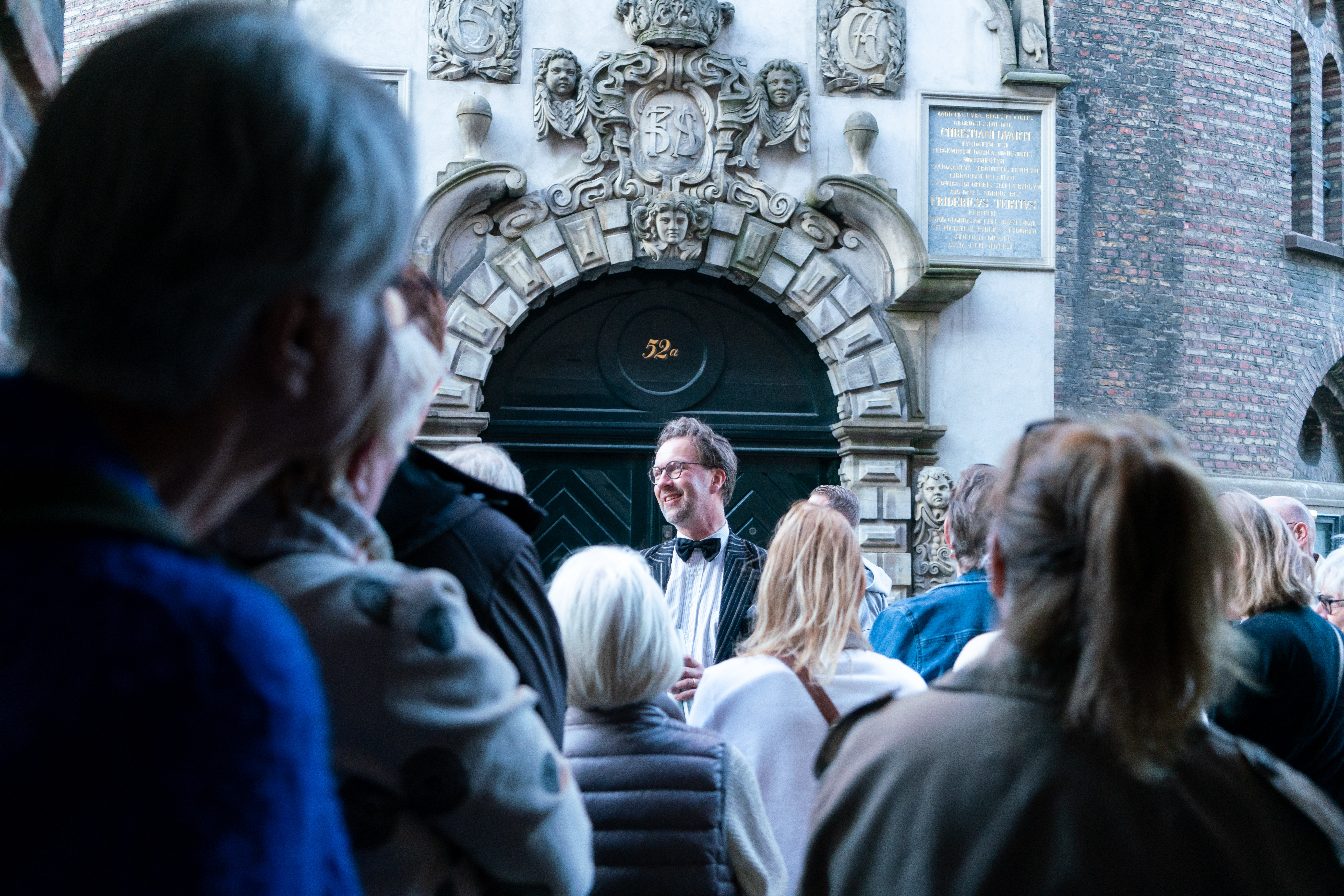
In 2026, the Round Tower launches an entirely new programme of guided tours for groups. From week 8, our team of guides will be ready to show private groups and educational institutions around the historic tower.
Enjoy a lively introduction to the history of the Round Tower enriched with fun, quirky and surprising stories that even regular visitors may not have heard before.
Book group tours here.
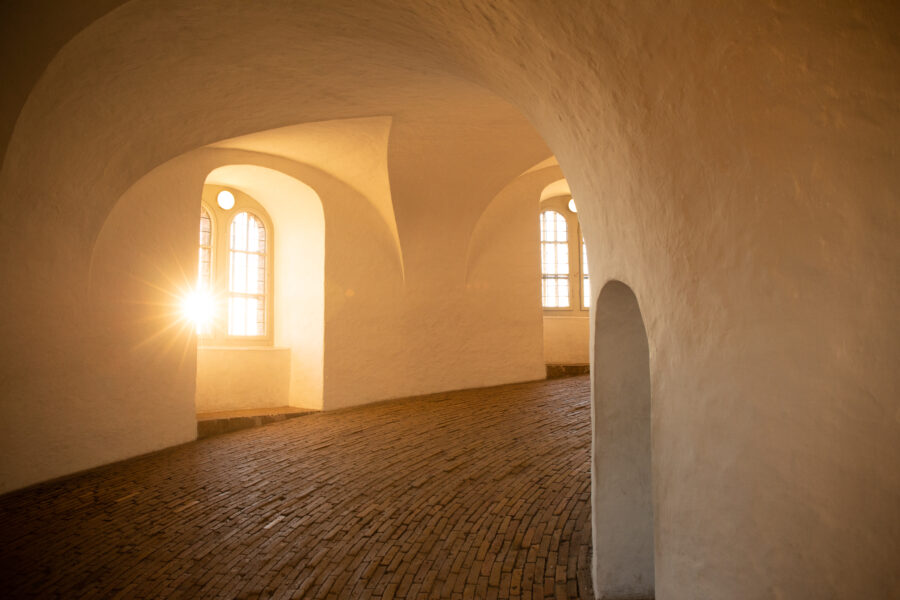
PHOTO COMPETITION: CAPTURE THE LIGHT
The Round Tower invites photography enthusiasts and amateur photographers to take part in a competition focusing on the light in the distinctive architecture of Rundetaarn and the Trinitatis Complex. The competition kicks off in conjunction with Light Year 2026 on 6 February and culminates on World Architecture Day, 5 October, when the winners will be selected by a professional jury and can look forward to attractive prizes.
On Copenhagen’s annual Culture Night, the winning photographs will be exhibited in the tower’s iconic Spiral Ramp for the enjoyment of our many visitors. In addition, selected images will be featured regularly on the tower’s social media channels, as a winner for the best photo of the month is chosen each month up until October.