

Light Echoes
Can the past and the present coexist? How does light shape our understanding of time? Where does the known end, and where does the unknown begin? And what happens when artists and scientists explore this boundary together?
These questions form the starting point for the upcoming exhibition “Light Echoes,” presented by the Round Tower and the Niels Bohr Institute’s Yonder | Art•Science Program. This program invites artists and researchers to experiment, develop new methods, and combine data-driven research with artistic expression, welcoming art into the research environment as a collaborative partner.
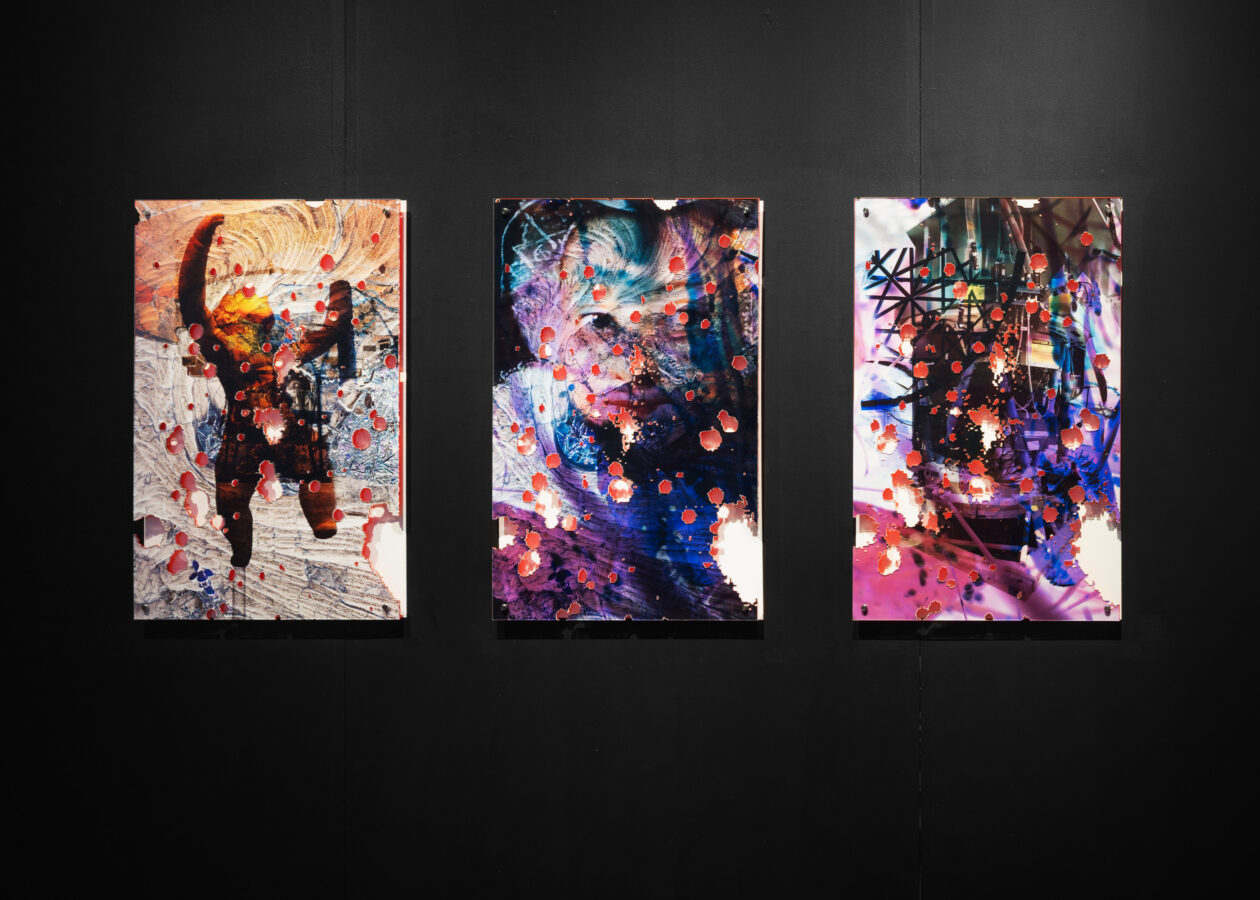
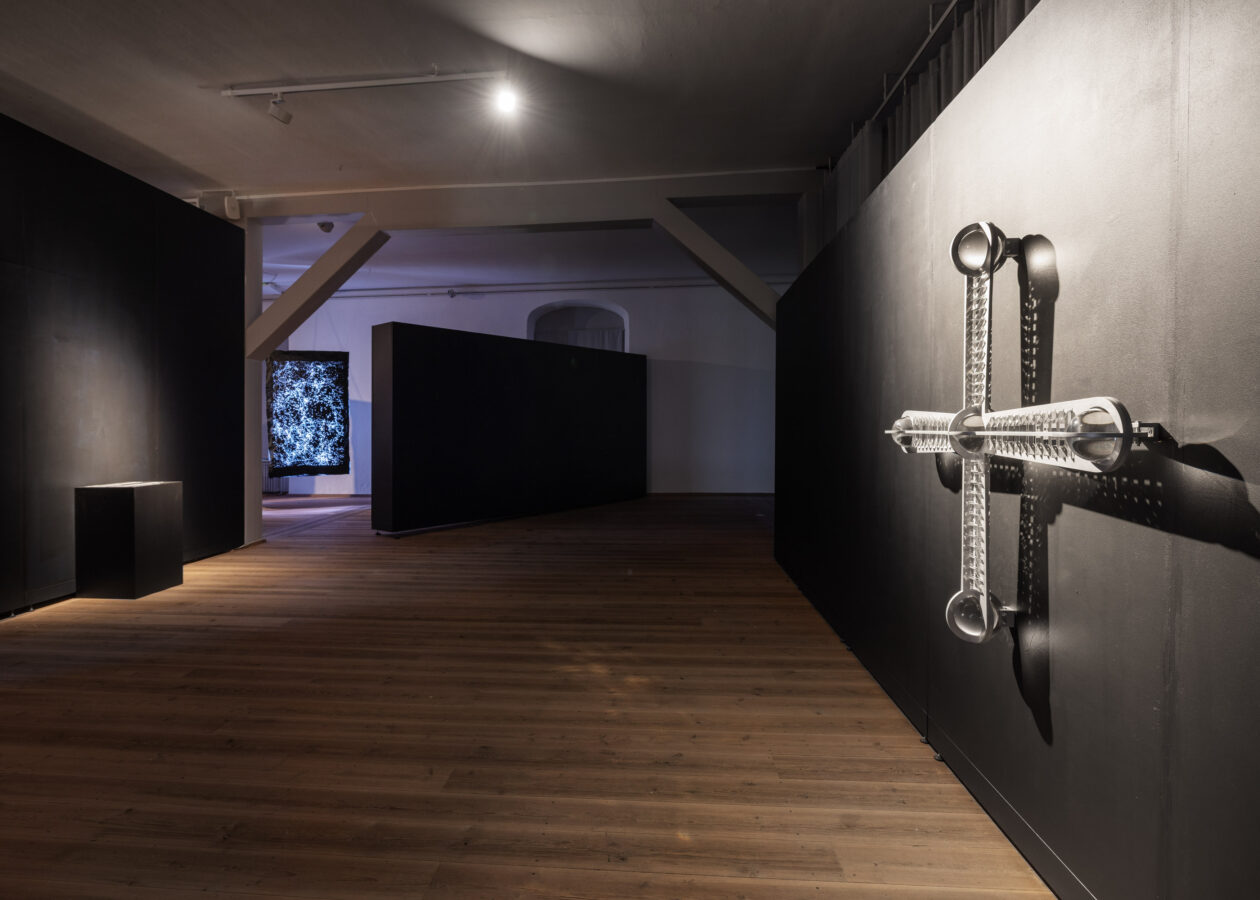
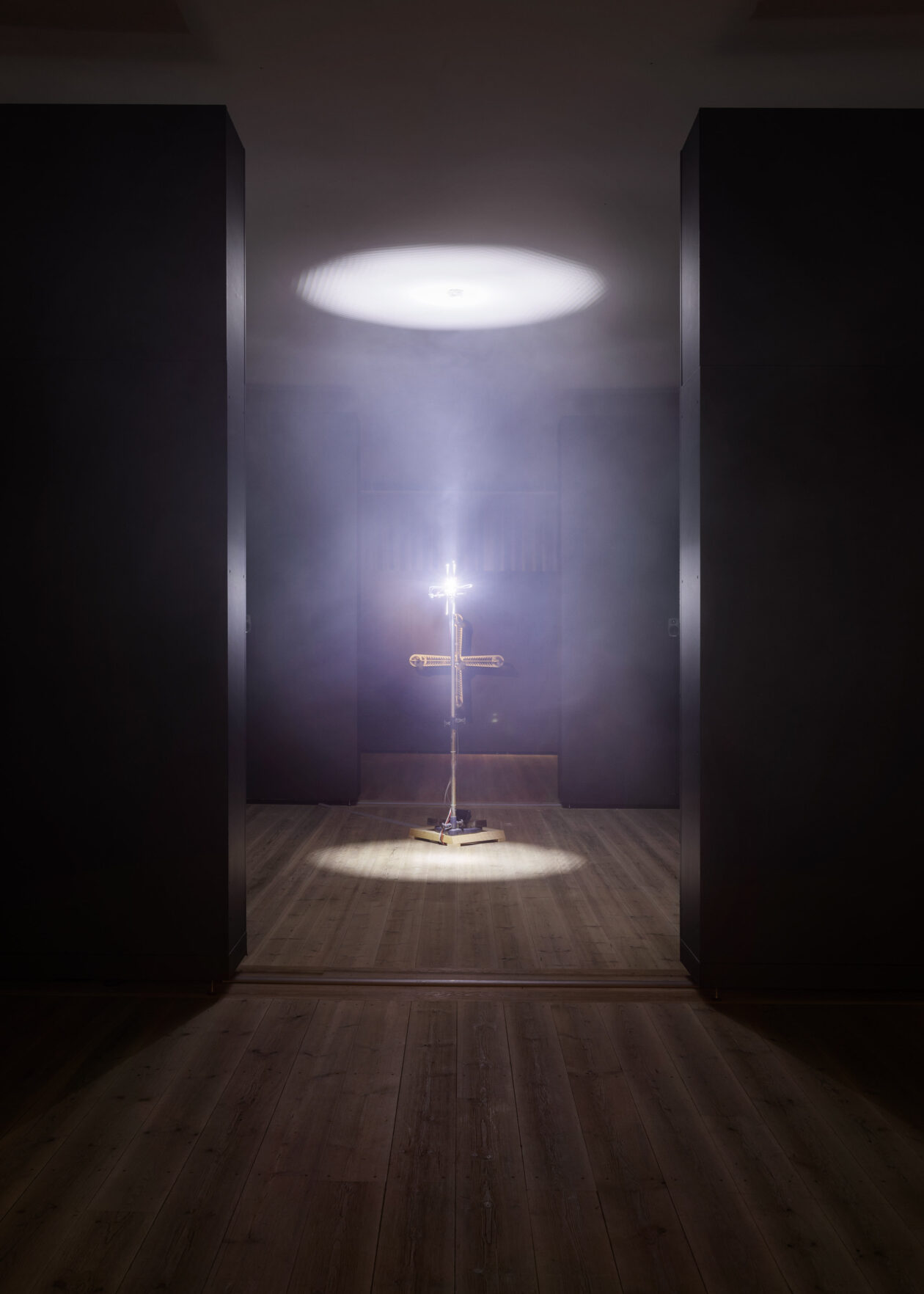
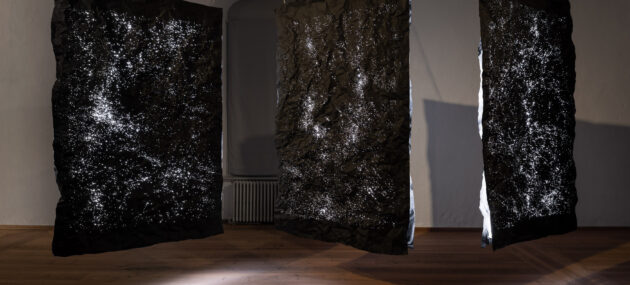
“Light Echoes” is an exhibition and research project that explores the relationship between our experience of light and our understanding of time. The exhibition presents four installations and a soundscape created by Lea Porsager, Jo Verwohlt & Pieter Maria Steyaert, Ligia Bouton, and Semiconductor, in close collaboration with astrophysicists from the DARK research group.
Across Time and Space
The exhibition’s title refers to the astronomical phenomenon known as a ‘light echo’, which challenges our conventional chronological understanding of time: when light from a sudden outburst encounters interstellar dust, some of it is reflected and scattered toward Earth, where it may arrive centuries after the event itself. Acting as a delayed reflection of the past, the phenomenon allows researchers to observe cosmic events anew across the centuries – such as in 2008, when scientists successfully detected a light echo from Tycho Brahe’s Stella Nova (1572), thereby gaining new in-depth insight into that same cosmic event more than 400 years later. In the exhibition, the phenomenon serves as both a scientific framework and a poetic metaphor for the possibilities that emerge from the collaboration between art and science. Here, knowledge transforms as it moves between different disciplines, contributing to new ways of viewing and understanding the world.
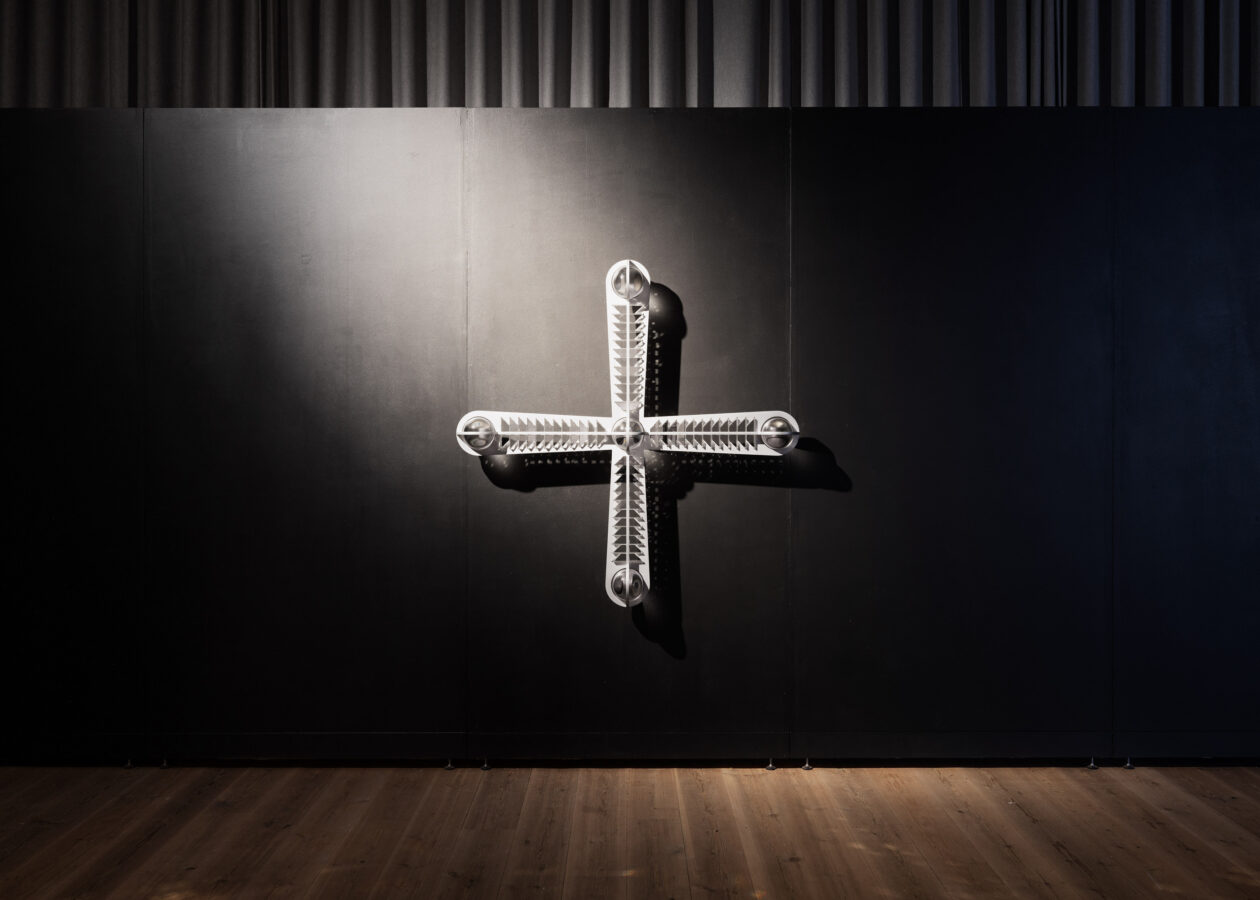
Developed by the newly established Yonder Art•Science at the Niels Bohr Institute, “Light Echoes” unfolds as a constellation of interdisciplinary voices:
Participating Artists
Jo Verwohlt & Pieter Maria Steyaert (DK/BE)
Lea Porsager (DK)
Ligia Bouton (USA)
Semiconductor (UK)
The artists are working in dialogue with astrophysicists from the DARK Cosmology Centre research unit at the Niels Bohr Institute, including Jo Verwohlt, Jens Hjorth, Clara Ferreira Cores, Christa Gall, Marianne Vestergaard, Radosław Jan Wojtak, Judit Prat and William Baker among others.
“Light Echoes” is curated by Irene Campolmi, Curator at Large and Co-founder, Yonder Art•Science, Copenhagen and Curator for Art, Technology and Society at Amos Rex, Helsinki.
The exhibition is presented by the Round Tower, Yonder | Art•Science, and the Niels Bohr Institute as part of the annual program LIGHT YEAR 2026 – the Round Tower’s commemoration of the 350th anniversary of Ole Rømer’s discovery of the speed of light.
The exhibition has been made possible with support from the New Carlsberg Foundation, the Dr. N.P. Wieth-Knudsen Observatory Foundation, Villum Fonden, Augustinus Fonden and Fake Foundation.
⭐⭐⭐⭐⭐
– KULTURINFORMATION
Lysekko i stjernestøv
– Magasinet KUNST
DOWNLOAD PRESS PHOTOS

Please note that the exhibition cannot be experienced at times when the Library Hall is temporarily closed due to events or during the construction of changing special exhibitions. Check our landing page rundetaarn.dk before your visit, where current closures will be listed at the top of the page.